

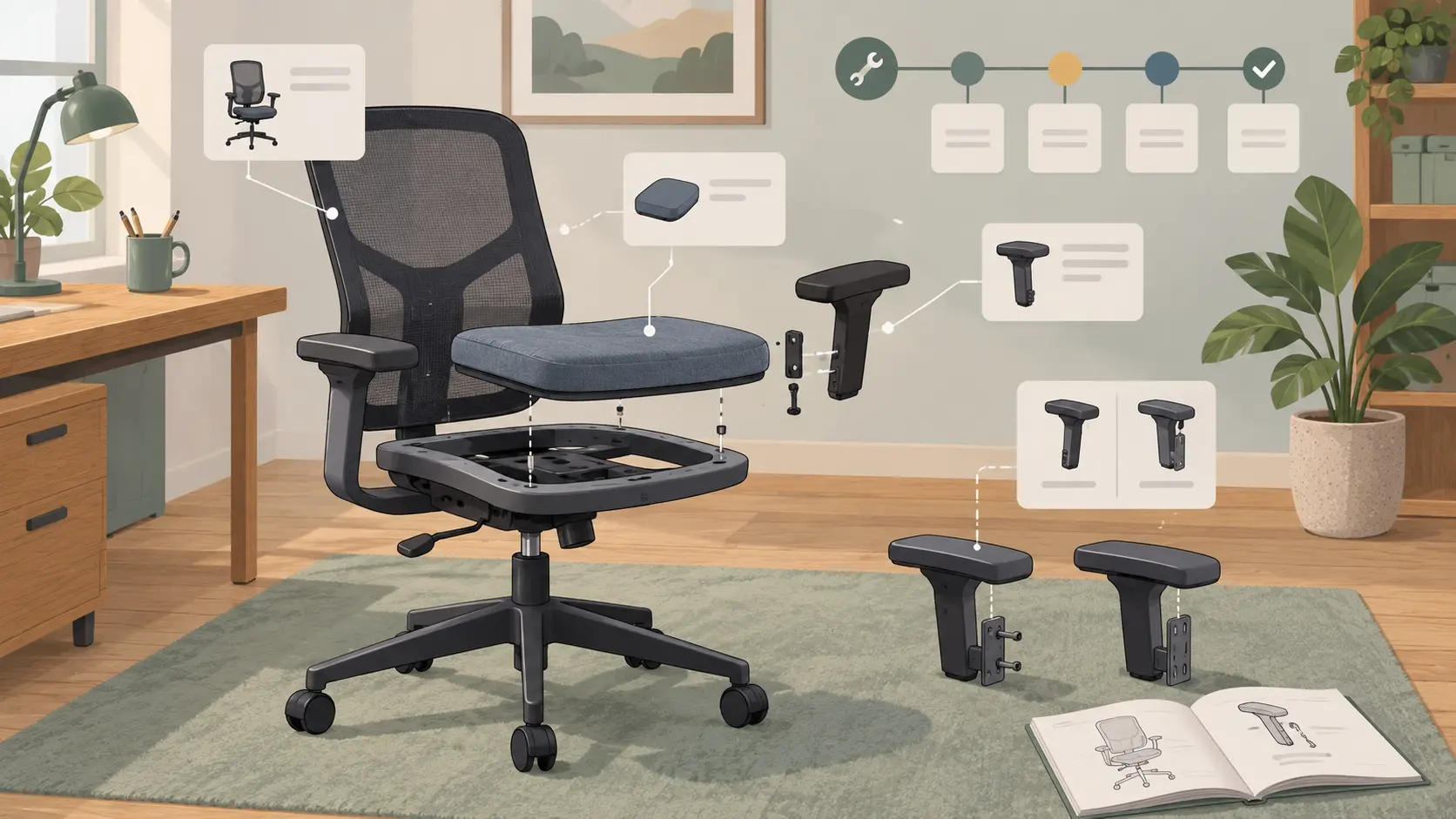
Furniture repair data becomes useful when a service team can identify both the installed item and the part that fits it. A familiar chair model or a photograph of an armrest may start the search, but it cannot confirm compatibility. If the configuration changed after delivery, the original order can also be incomplete.
The draft furniture DPP assessment considers repair instructions, spare parts and replacement history; these are not final furniture DPP requirements.
The study’s feedback page gives 3 November 2026 for general feedback and 25 November for the separate substances-of-concern feedback.
Furniture repair data: connect replacement parts to the right version open review is a useful reason to test the operational file, not to claim compliance. For furniture dealers, manufacturers and service teams, our recommendation is to start with one repair and follow its evidence from identification through completion.
Give furniture repair data three linked records
Keep a distinction between the product definition, the delivered asset and the intervention. The product record identifies the model, variant and applicable instructions. The asset record says which configured item was delivered and where it is now. The repair record describes what was inspected, approved and changed.
Furniture repair data: connect replacement parts to the right version records should connect without overwriting each other. Replacing a component does not make the original specification disappear. Nor should a later brochure silently become the instruction used for an earlier repair.
Check a replacement part before ordering
For an armrest replacement, make the service request answerable:
- Which asset and current configuration are being repaired?
- What identifies the existing component and the proposed replacement?
- Which supplier document or qualified assessment supports compatibility?
- Which instruction version applies, and are any additional fittings needed?
- Who approves the work and checks the result?
Do not record a plausible match as a confirmed one. If the evidence is missing, mark the decision as pending and ask the responsible supplier or specialist. A different attachment or revised mechanism may require a different intervention. Technical suitability and safety need the appropriate assessment, not an assumption based on appearance.
Close the repair without losing its history
After the work, record the date, actual part installed, instruction used, responsible team and outcome. Keep the previous configuration as history and update the current configuration separately. That lets the next technician distinguish an original part from a replacement.
Define access deliberately. A customer may need care instructions and the completed service outcome, while detailed work notes should go only to the relevant people. Our proposed workflow is not a statutory field list or a final DPP access model.
Test whether the next enquiry can be answered
Our guide to office chair repair and product records explains the wider service process. The practical test here is narrower: can another colleague retrieve the exact part, supporting instruction and latest configuration without reconstructing the case from emails?
Furnify helps connect furniture, locations and service history. It supports the operational context alongside supplier product information; it does not verify part compatibility or certify future DPP compliance. Review one completed furniture repair with Furnify and identify which links your next service enquiry would still be missing.
Recycled content in furniture: evidence per component
[…] guide to furniture repair data and product versions explains how changes stay associated with the actual asset. Furnify helps connect furniture, […]